


Vaccines after a bone marrow transplant: coordinating the plan after returning home
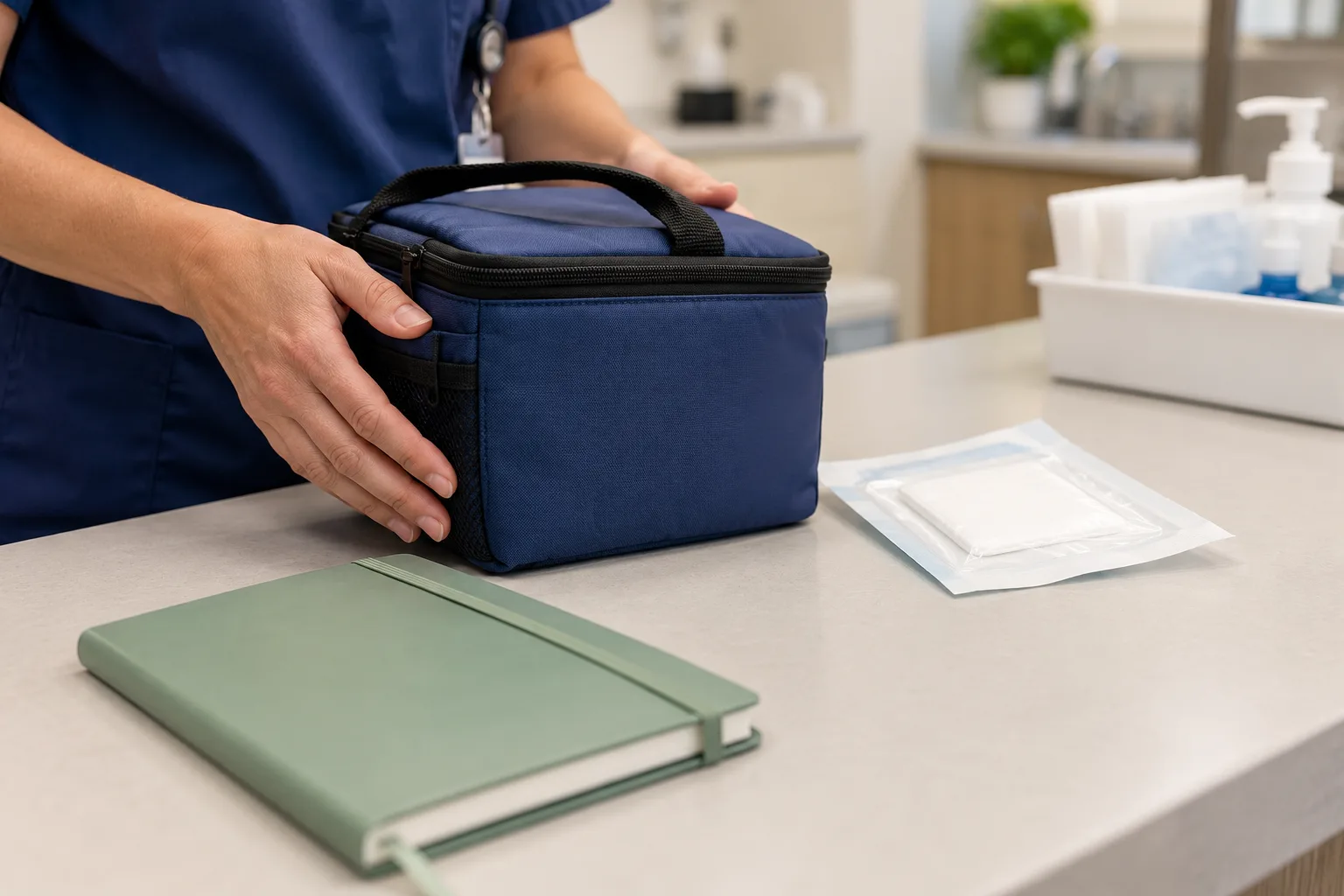
After returning home, a familiar vaccination record can raise unfamiliar questions. Do vaccines need repeating if they were given years ago? Who agrees the timing between the transplant centre and the local clinic? A single personalised plan is more useful than copying an internet table or another recipient’s recovery schedule into your calendar.
Why vaccination needs another discussion
NMDP guidance includes revaccination as part of care after blood stem cell transplantation. Immune recovery and current treatment matter to timing. A childhood record marked complete therefore does not close the discussion, but the transplant date alone does not give a family a vaccine prescription either.
Ask who will prepare the plan for your transplant type and present condition. Ongoing treatment and complications, including graft-versus-host disease, may affect the conversation. A general recommended interval is something to discuss with the clinician, rather than permission to receive a particular vaccine.
Give the receiving doctor a usable record
Before departure, ask for vaccination to be included in the care handoff. Your doctor at home needs the transplant summary, active medicine list and information about important complications. Keep the earlier vaccination history even when some immunisations will need fresh discussion; it remains part of the medical record.
For vaccines already given after transplant, record the exact product, date, dose number and clinic. For a document issued abroad, retain the original alongside a clear translation. Do not substitute a similarly named local product yourselves: equivalence and the next stage should be checked by the responsible clinician.
Put a decision-maker beside the date
Keep the medical plan separate from appointment logistics. The plan states what is recommended and under which conditions; the booking record states where the visit takes place, who receives the update and who confirms the next step. If an assessment is required before another dose, establish who performs it and who reviews the result.
Ask what to do if an appointment is postponed, illness occurs or treatment changes. Do not independently “catch up” or restart a series. If instructions appear inconsistent, ask the local doctor and transplant centre to agree on one active version. Date each update so a relative helping with appointments does not use an older printout.
Discuss seasonal and travel questions in context
For a planned journey or a seasonal infection concern, tell the clinician the destination, timing and current treatment. Advice suitable for a healthy traveller should not automatically be applied after transplantation. Prevention questions for household members can be raised separately with the team as well.
A vaccination plan does not replace your individual infection precautions and urgent-contact instructions. Fever or another warning symptom needs the agreed clinical response, rather than waiting for a routine vaccine appointment or an overseas coordinator. Do not stop prescribed medicines to fit an assumed vaccination date.
Our article on care after returning home covers the handoff, while contacting the team about GVHD addresses a related follow-up issue. In a Medicina Turkey enquiry, clarify whether you need help arranging communication with the previous centre or a separate specialist review. This article does not establish an individual vaccination timetable.
Sources
Medicina Turkey patient information. General guidance; individual medical decisions should be discussed with the treating clinician.