


Liquid biopsy in Turkey: questions to ask before testing
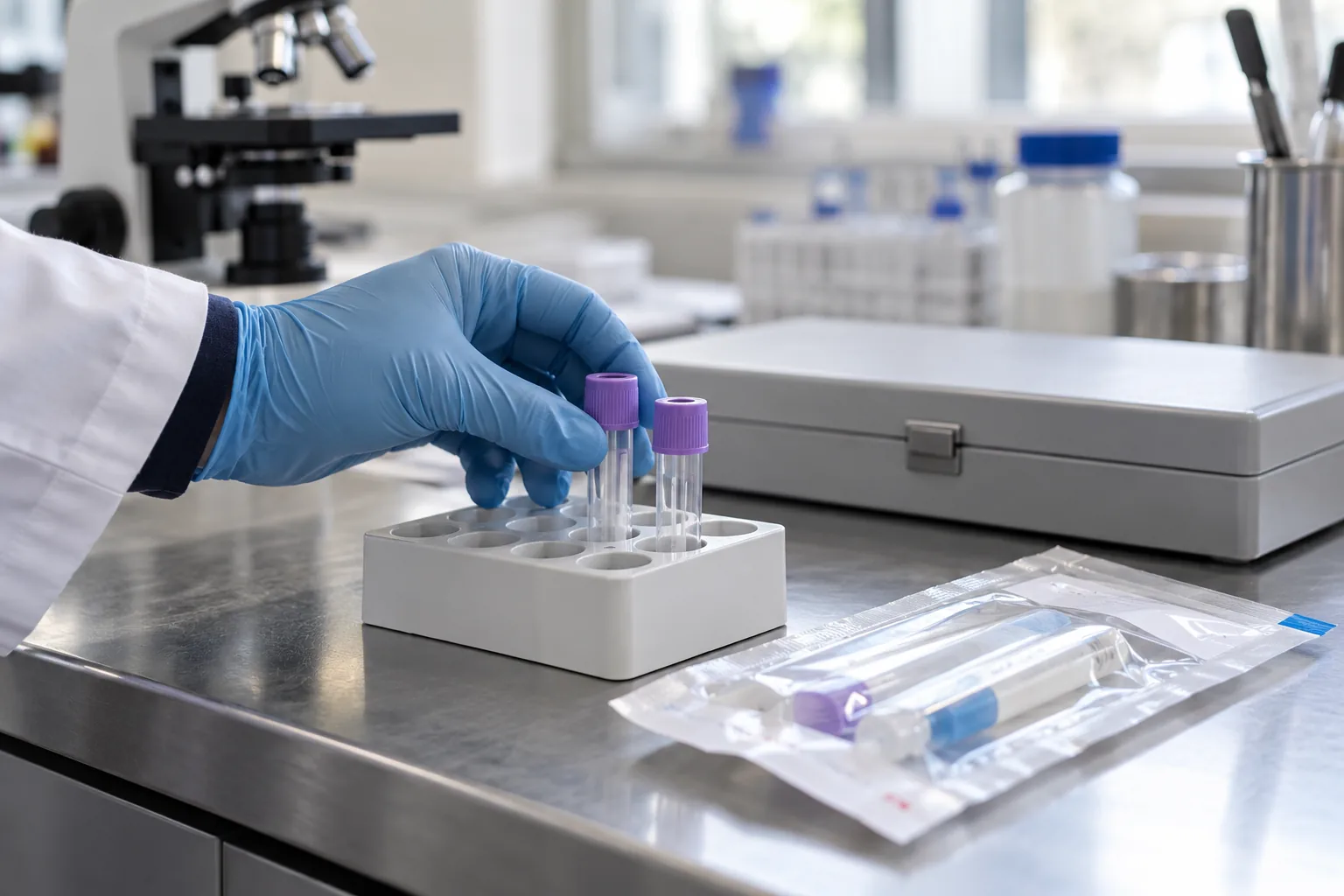
A blood sample can sound like a simple answer when obtaining tumour tissue is difficult. But before paying for a liquid biopsy in Turkey, ask what the oncologist expects that particular test to answer. This article concerns testing during care for an established cancer. It is not a recommendation to buy a blood test to rule out cancer or replace an investigation advised by your doctor.
Clarify the sample and the intended question
A liquid biopsy can look for tumour-related material in blood. A tissue biopsy examines a different kind of sample, and the information is not automatically interchangeable. In some circumstances there may be too little circulating tumour DNA for a blood test to detect. An uninformative result therefore needs clinical interpretation rather than reassurance based on the word “negative” alone.
Ask the clinician to explain why a blood-based sample is being considered now. Is the question about a treatment-related marker, a change after previous treatment or something else? Request the exact test name and intended sample type. A laboratory’s ability to accept blood does not establish whether that analysis is appropriate for your diagnosis.
Agree what happens after each possible result
Before sampling, ask what the team would do with a relevant finding and what would happen if the report finds no useful answer. Would existing tissue be reviewed, would another assessment be considered, or would the original clinical plan continue? The clinician should explain the options in your circumstances without promising a result.
Our article on tumour biomarker testing covers the wider question of choosing a suitable analysis. Here the distinct question is whether the sample can answer the intended question and how its limitations affect the next step.
Provide the history behind the sample
Send the original diagnosis, previous molecular reports and the treatment timeline. If tissue is stored elsewhere, identify its location and the available report rather than saying only that a biopsy exists. Ask the medical team whether they need to compare information from different dates.
- Which clinician requested this exact test?
- Who confirms collection and handling requirements with the laboratory?
- What is included in the quote if a sample cannot be analysed?
- Who will explain the full report and its limitations?
Obtain collection instructions from the responsible service. Do not change medicines, treatment timing or fasting habits based on this article or a commercial test description. If a sample will travel between institutions, have them agree the practical requirements before it is collected.
Connect the report to the consultation
Arrange the interpretation appointment before assuming the laboratory report will settle the treatment question. A reported change does not, by itself, confirm a medicine prescription, local availability or benefit. For oncology assessment in Turkey, ask who connects the laboratory findings with your diagnosis and current care.
You can contact Medicina Turkey about coordinating the clinical enquiry, sharing the test proposed by your doctor and the decision it is intended to support. Confirm the receiving hospital and laboratory pathway before committing to travel. Continue necessary care through your current team; an overseas test enquiry should not become a reason to delay it.
Sources
Medicina Turkey patient information. General guidance; individual medical decisions should be discussed with the treating clinician.