


Bone marrow or peripheral blood stem cells: what changes for the transplant patient?
Two letters can both recommend an allogeneic transplant while naming different cell sources: bone marrow in one, peripheral blood in the other. The transplant label therefore does not explain the whole proposal. Patients need to know which source is being considered, why the team prefers it and which practical stages depend on that decision.
Separate two descriptions of the transplant
Autologous and allogeneic describe whose cells are used: your own or a donor’s. Cell source is a separate description. Blood-forming cells can be collected from bone marrow or peripheral blood; cord blood is another source for some donor transplants. Ask for both descriptions in the written proposal.
“Bone marrow transplant” is sometimes used as a general term. It does not establish that a donor will necessarily have cells collected directly from marrow. Request the exact description and keep it unchanged when translating the letter, even if another phrase is more familiar to your family.
Collection affects a person as well as a timetable
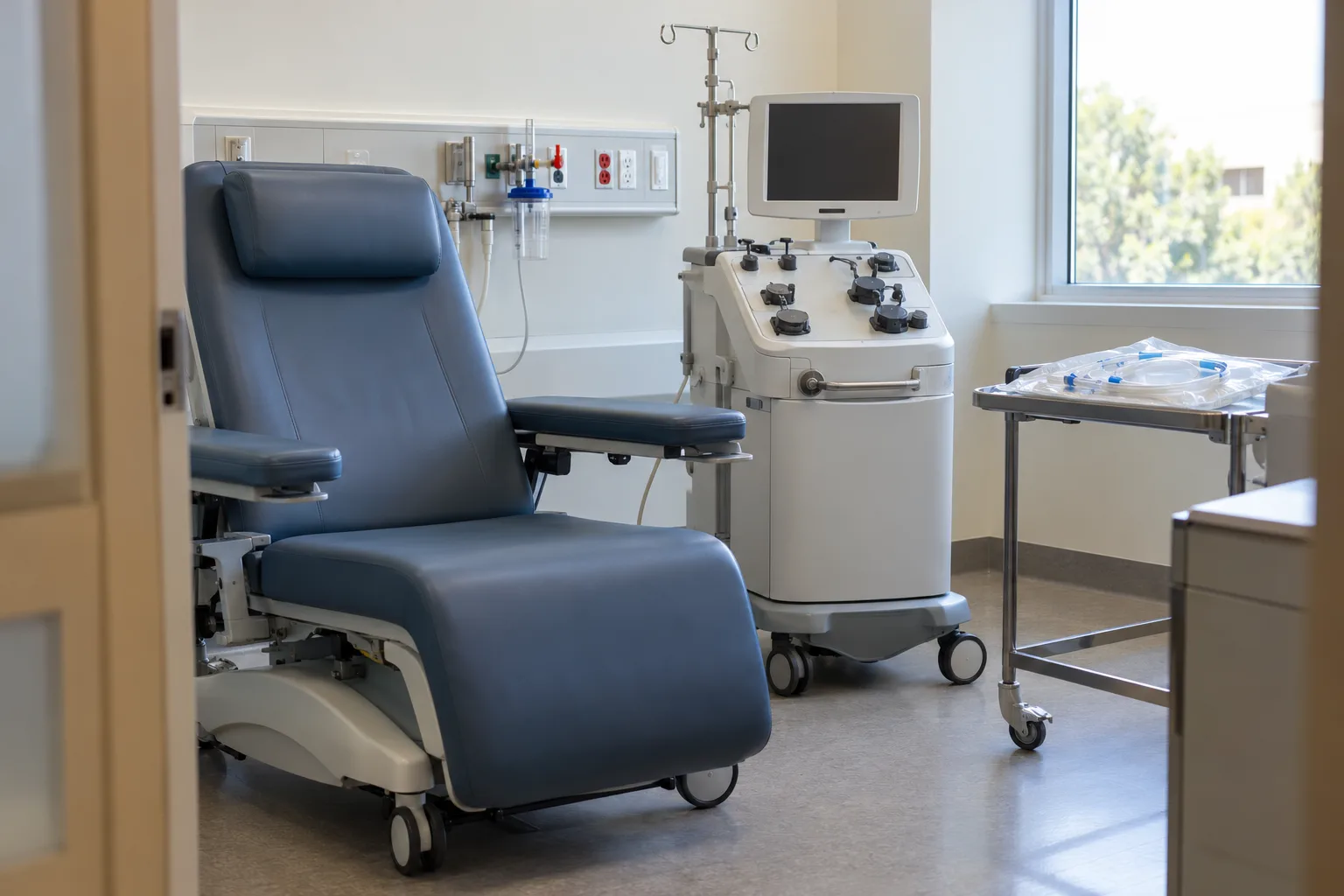
NCI describes marrow collection from the pelvic bone under anaesthesia and peripheral blood collection through a machine-based procedure called apheresis. Preparation, experiences and follow-up differ. Where a donor is involved, the explanation of risks and consent needs to be directed to that person separately.
The recipient also needs to know who coordinates collection with treatment, what must be confirmed before the next stage and how a change will be communicated. Another family’s account of a donation appointment cannot establish the date of your own admission or when preparation should begin.
Convenient collection is not the whole clinical decision
Ask which features of the disease and transplant strategy influence the proposed source. The answer should connect the recommendation to the patient’s actual circumstances. It is reasonable to ask about an alternative, but a decision should not be made solely around travel convenience, price or a relative’s preference.
If recovery or complication data are discussed, ask which patient group the figures describe. A single result is not an individual prediction. Record the expected advantages, the important uncertainties and the findings that could still change the recommendation. Decisions about medicines and preparative treatment remain with the clinical team.
Make the documents describe the same plan
Compare the cell source named in the medical letter, donor arrangements and estimate. Establish the proposed collection location, responsibility for processing and what remains conditional. If cells have already been collected elsewhere, tell the receiving centre early; the professionals responsible should agree on the necessary records and product arrangements.
Separate patient and donor appointments and costs. A change in cell source may require updated paperwork or organisation, so use the latest confirmed version of the plan. Travel dates should follow the medical decisions rather than determine them.
For related reading, see transplant types and donor searches. When using the Medicina Turkey enquiry form, include the proposal you already have and identify the cell-source question. Arranging an enquiry does not replace the specialist’s choice or the donor’s separate assessment.
Sources
Medicina Turkey patient information. General guidance; individual medical decisions should be discussed with the treating clinician.