


PNH: tests and records for a repeat haematology assessment
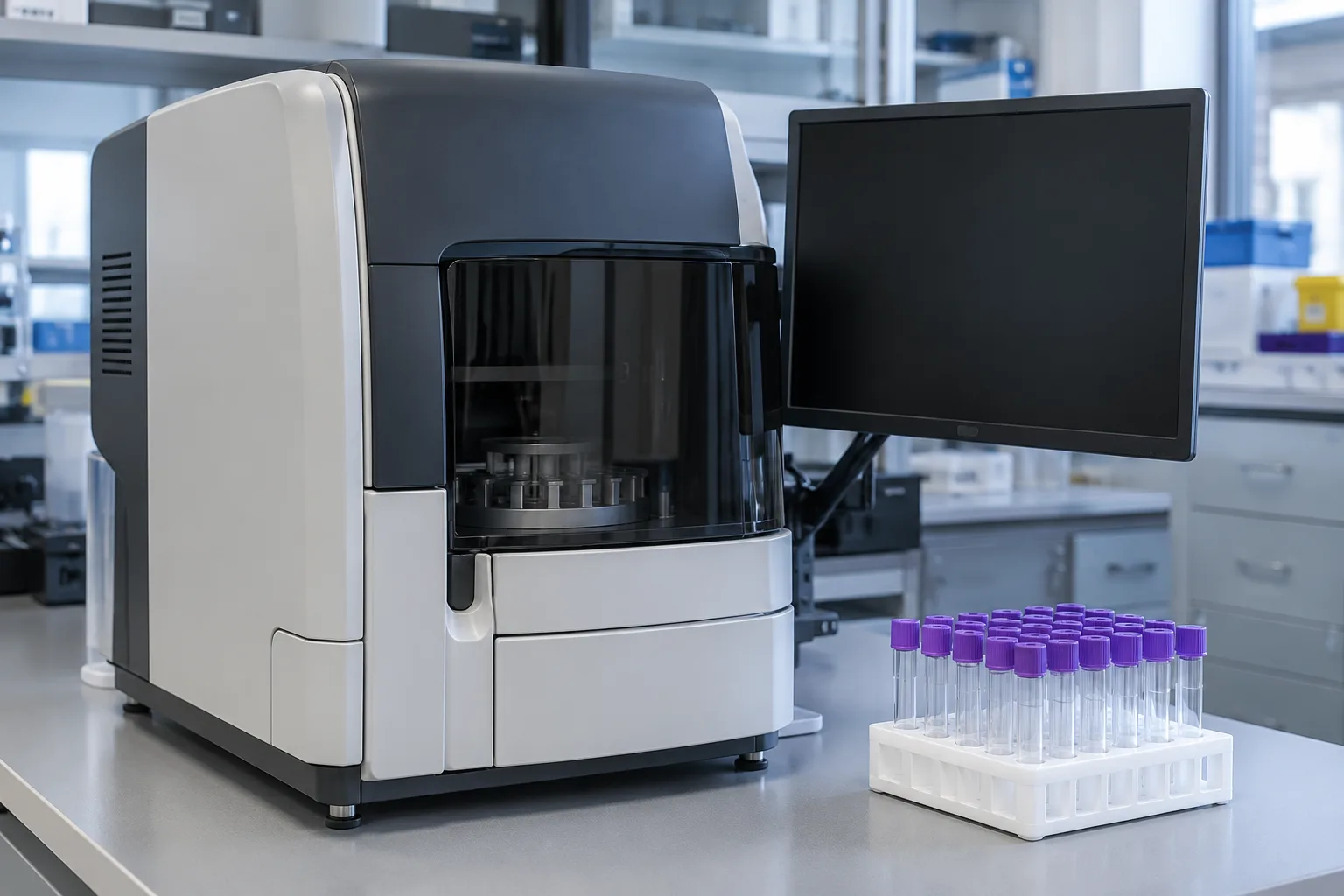
Paroxysmal nocturnal haemoglobinuria is rare, so a wish for another specialist opinion is understandable. The question is often more specific than confirming the abbreviation PNH. It may concern changing results, persistent fatigue or the follow-up plan. A consultation in Turkey can address that question more effectively when the clinical history is visible alongside the newest laboratory result.
Keep the original diagnostic evidence
PNH is an acquired blood disorder in which cells can be damaged by the complement system. Flow cytometry is used in its diagnostic assessment. Preserve the complete report, including the cell populations examined, results and laboratory interpretation. A discharge summary saying only “PNH clone detected” may omit information needed for a repeat review.
If testing was repeated, include the dated reports and laboratory names. Do not interpret a change in one percentage as proof that treatment must change. Ask which comparisons are valid and what question each result addresses. The detected cell population needs to be considered together with the patient’s overall clinical situation.
Show events as well as measurements
Include existing blood counts and the haemolysis and organ-function investigations requested by the treating clinicians. Add records of transfusions, admissions and investigated blood clots when relevant. Label missing tests as not performed or pending, rather than describing every unreported finding as normal.
Explain what changed in everyday wellbeing and when. Note which symptoms were already assessed and the explanation given. Where aplastic anaemia or another marrow condition is also documented, include that report. Related conditions should not be merged into one diagnosis or assumed to be assessed by the same isolated test.
Make the treatment history precise
Record prescribed medicines, treatment dates, schedule changes and documented response. Include any individual prevention and monitoring plan provided by the clinical team, plus relevant infection records. If symptoms changed during treatment, the sequence matters; the reviewer, rather than the family, should judge whether there is a causal connection.
Do not miss a scheduled treatment to arrange travel or obtain another opinion. If access to the next stage of care is becoming difficult, contact the current team early for an agreed plan. An offer of a consultation does not confirm that a particular medicine is available or that long-term treatment abroad has been accepted.
Define what the opinion should answer
A request might ask whether the records support the present assessment, what could explain new concerns and which uncertainties genuinely need further investigation. Seek a written conclusion describing the next steps and the clinician responsible. Clarify which questions require specialist laboratory review and which need an examination in person.
New marked breathlessness, chest pain, sudden neurological symptoms or rapid deterioration requires urgent local medical assessment. Do not wait for a foreign centre’s reply. Symptoms should not automatically be attributed to the known PNH; the local clinical team must assess the immediate problem.
Discussing a review in Turkey
The haematology in Turkey page is a starting point. In a Medicina Turkey enquiry, state the confirmed diagnosis, current therapy and purpose of the review. Confirm the receiving specialist’s profile, required investigations and continuity of prescribed care before organising travel.
Sources
Medicina Turkey patient information. General guidance; individual medical decisions should be discussed with the treating clinician.